When dealing with international investments, there are several factors associated with moving money overseas that must be considered, and that are often overlooked (writes David Huggett).
In Prime Central London, given the attraction of the market on a global scale, it is not uncommon for funds to come in from overseas, or to be repatriated abroad post sale.
Here we discuss the most important considerations when dealing with buyers and sellers that are moving money internationally, factors that are essential in ensuring the success of the underlying transaction.
Analysis
When it comes to real estate investments, a huge emphasis is placed on the price of the asset, often involving fierce negotiations between buyer and seller. There is then the natural course of events involving legals and surveys etc, which can span several more weeks, or even months.
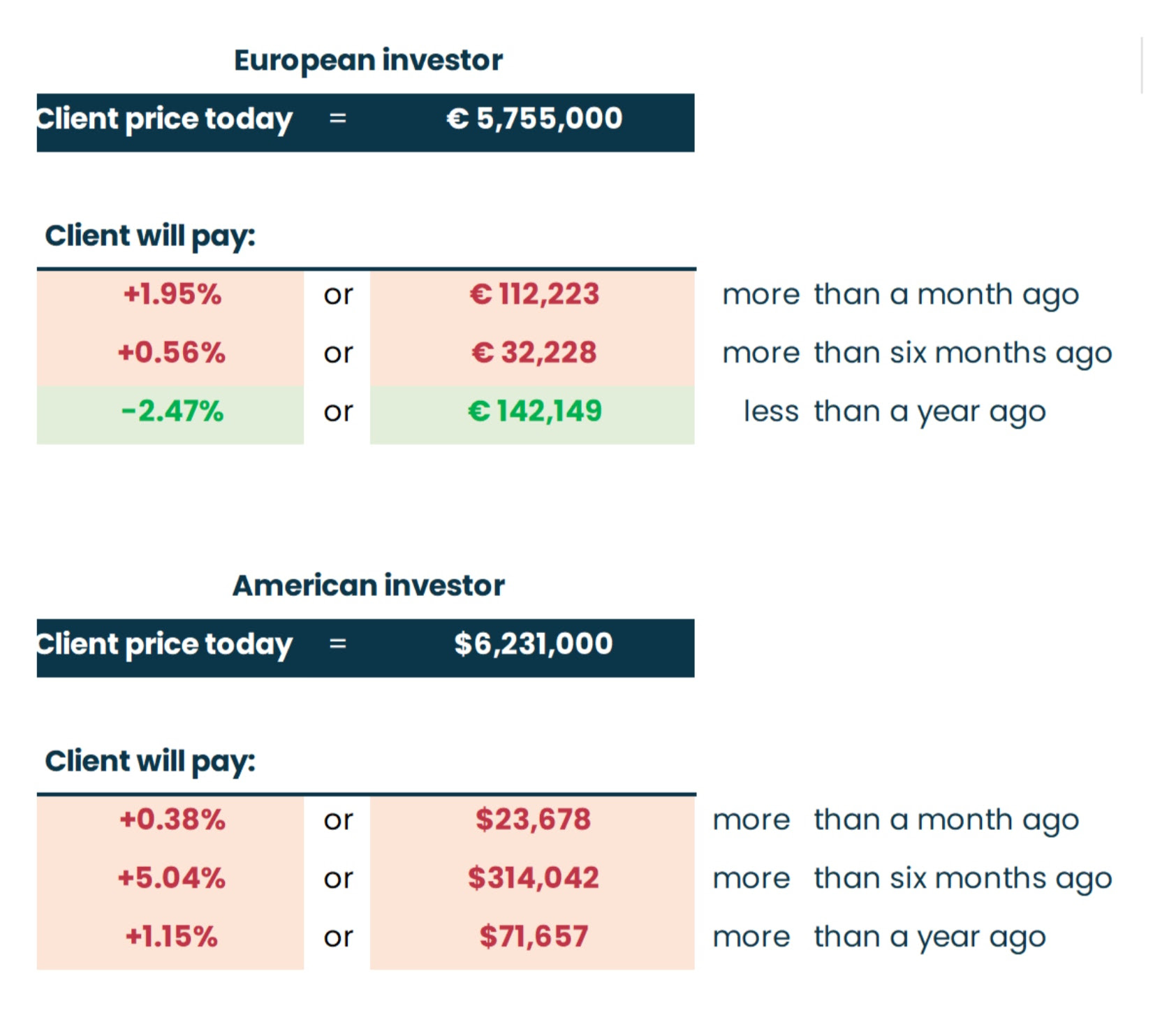
It is at this point that due consideration must be given to the prevailing currency markets, to prevent all the hard work around agreeing the deal being wiped out.
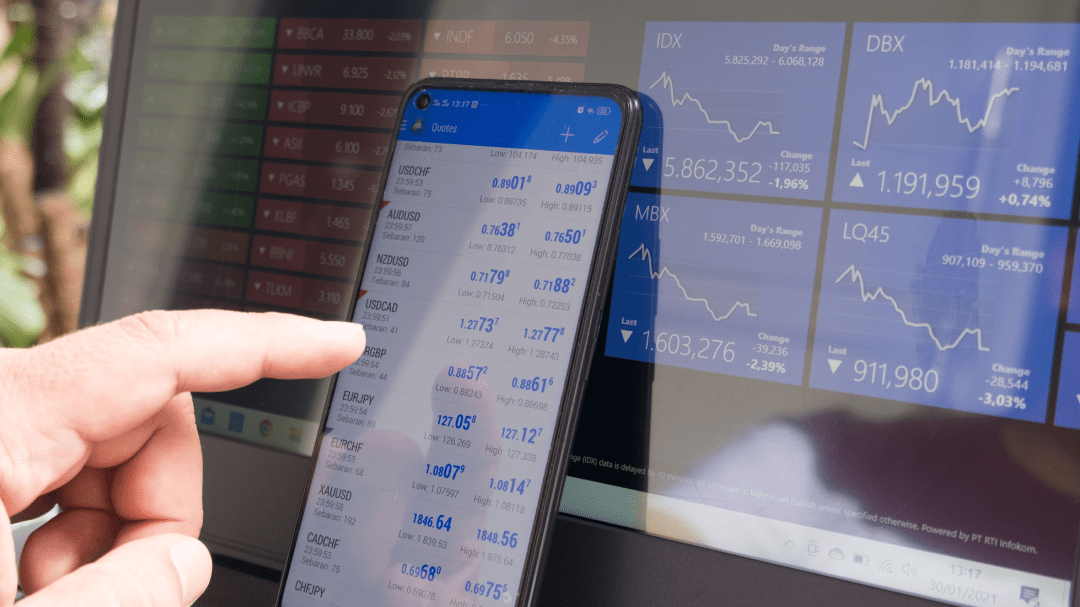
Rather than treating the FX aspect as a formality, tracking market changes and volatility throughout the transaction process is as important as any other task or consideration.
It is just a case of ‘staying in the know’, so that any large fluctuations don’t negatively impact proceedings, but to do this, understanding the market from both a fundamental and a technical point of view is key.
The good news is, this doesn’t have to be an arduous task, but it does take a moment of concentration to get into the right head space.
Very basic trend analysis allows exactly this, and lets buyers and sellers consider potential risks and rewards, remaining completely in touch with the overall P&L of the deal.
Hedging
The frequent delay between exchange and completion poses further risks, as it is at this point that both sides are on the hook. Significant market moves leading up to exchange can mean either the buyer or the seller is going to be caught out if necessary risk management is not in place.
When dealing in high value transactions, leaving it to the market can lead to price deviations into the hundreds of thousands, sometimes causing the demise of the whole transaction through failed renegotiation.
Hedging products (forward contracts), allow exchange rates to be fixed at the point of commitment, so that upon completion the agreed price is paid/received.
Compliance and Settlement
Regarding the settlement of funds, especially on the buy side, the slow nature of the banking system can impede the movement of funds necessary for exchange and completion. This is often due to last-minute due diligence requirements and compliance procedures related to aspects like “source of wealth.” Mismanagement of these factors can lead to additional delays and frustrations.
Fortunately, the emergence of fintech and specialised providers offer more efficient solutions, enabling shorter communication lines and mitigating the potential issues mentioned earlier.
Final thought
Navigating foreign exchange markets is a crucial aspect of real estate investment, especially in prime markets. By understanding the impact of exchange rates, employing effective hedging strategies, and staying informed about FX trends, investors can enhance best outcome and maximise returns on their real estate portfolios.
As the global economy continues to evolve, staying proactive and adaptable to FX factors will be key in achieving long-term success in prime real estate.