This week’s inflation reading marked a pivotal moment in the narrative of interest rates, with falling fuel prices taking center stage as the protagonist. However, there might be another factor at play, often overlooked and underestimated (writes David Huggett).
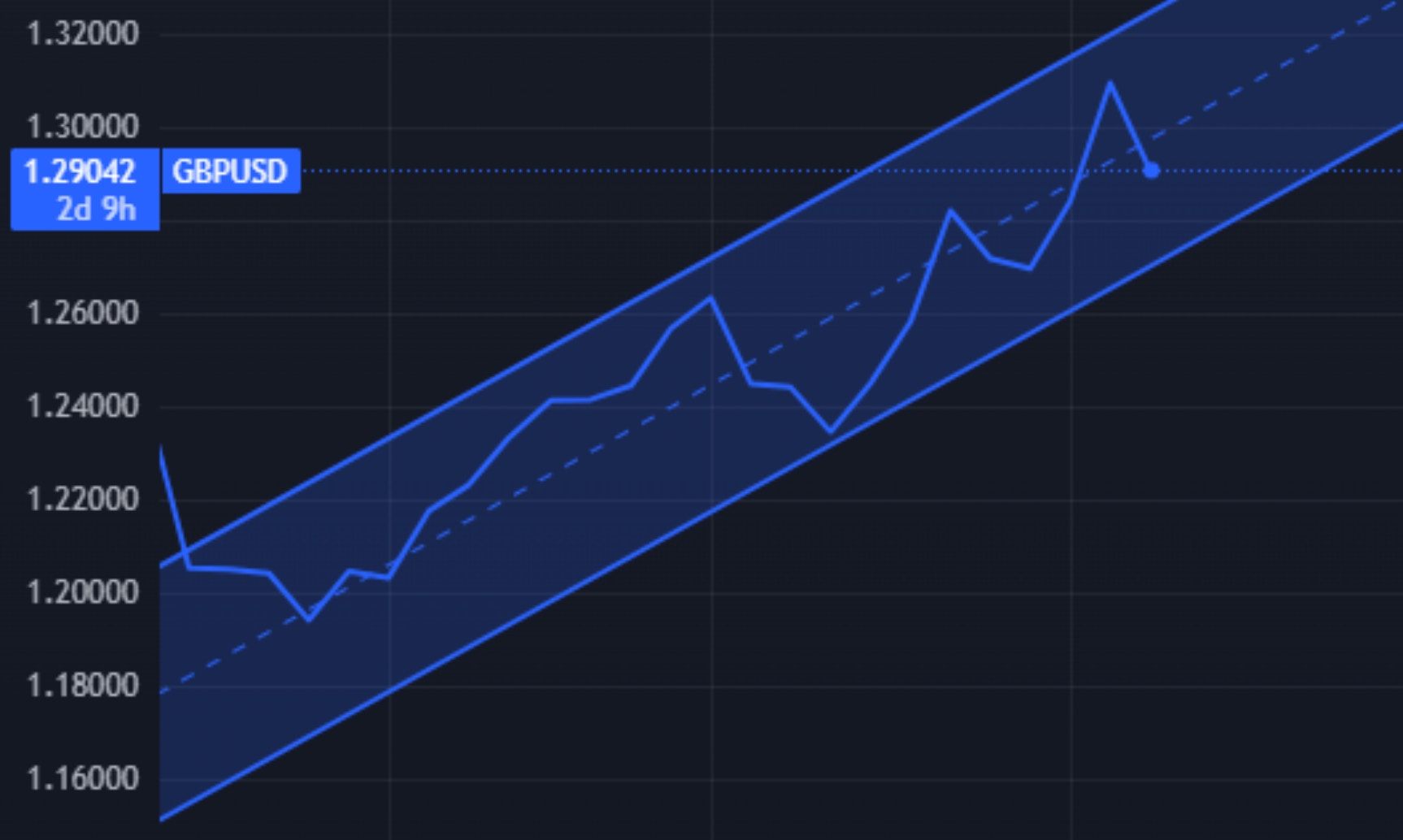
Since the start of June, GBPUSD has rallied eight and a half cents, fluctuating between 1.2300 and 1.3150. The only setback has been following the greater than expected fall in inflation (7.9% against expected 8.2%), leading to a weakened GBP as the possibility of further interest rate hikes by the Bank of England (BoE) came into question. While expectations of rate hikes remain high, there is room for a more modest increase. In contrast, the Federal Reserve (FED) has already abandoned its tightening of monetary policy due to their inflation reading of 2.97% this month, a far cry from our own.
So why are we lagging behind, and what might be the cause?
One potential explanation, which may complement the higher inflation in the UK compared to the US, is the cost of imports. Being a smaller economy, the UK relies more heavily on imported goods, making it more susceptible to price fluctuations. The weakness of the Pound over an extended period has naturally driven up the cost of goods from overseas. Consequently, this contributes to the overall rise in inflation.
Currencies play a critical role in ‘imported inflation’. Exchange rate movements determine the domestic currency price of imported goods and services. A depreciation of the domestic currency increases the cost of imports, thus contributing to inflation. Conversely, a stronger domestic currency can result in cheaper imports and potentially lower inflation. Hence, currencies have a significant impact on the magnitude and direction of imported inflation.
The substantial increase in GBP will not be welcomed by investors eyeing UK assets. For instance, real estate has presented a notable arbitrage opportunity, as international investors have enjoyed lower costs due to their stronger purchasing power resulting from a weaker pound. However, as depicted in the chart below, GBP has clearly been on a one-way trajectory, despite temporary drops. Combined with the impact of higher inflation on housing prices, the “once in a lifetime” chance to buy UK real estate at discounted prices may have already passed us by.
GBPUSD since Jan 23
In conclusion, the recent inflation reading and the accompanying dynamics have brought attention to the influence of falling fuel prices. Yet, it is essential not to overlook the role of imported goods and the susceptibility of the UK economy to changes in their prices. With currencies playing a pivotal role in determining imported inflation, the strength or weakness of the Pound can significantly impact the overall economy and various sectors, such as real estate.
As the journey of interest rates continues, investors and market participants must carefully navigate the evolving landscape and seize opportunities before they slip away.
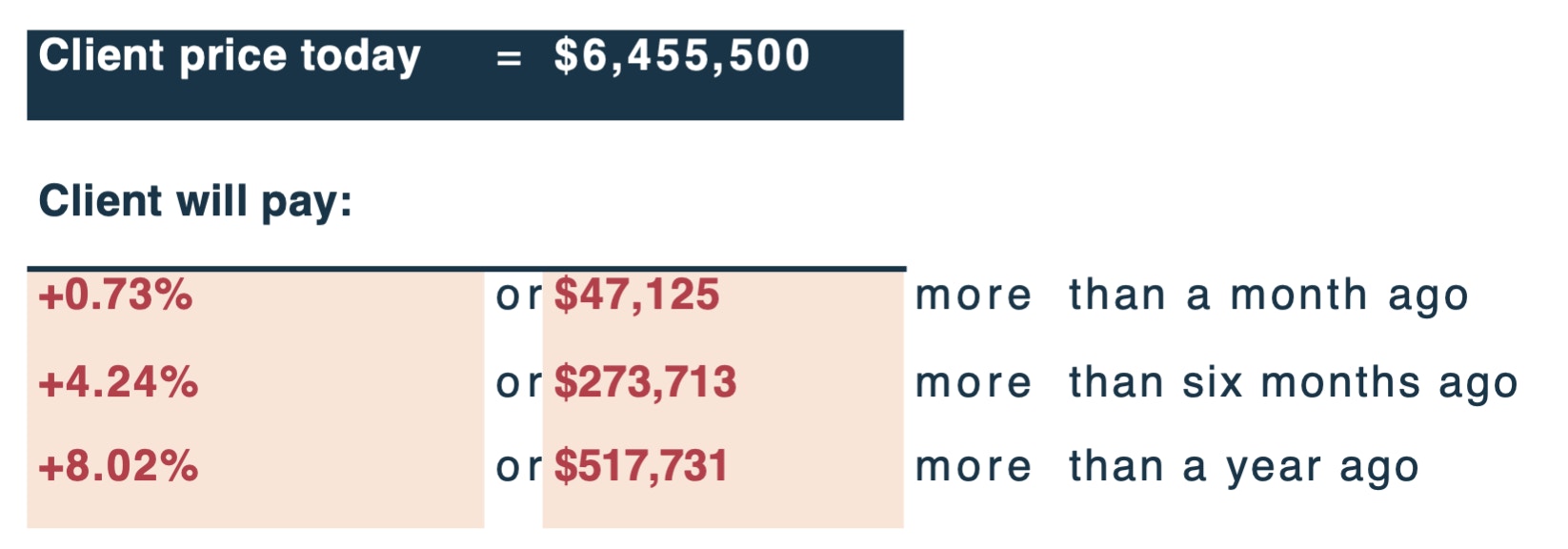
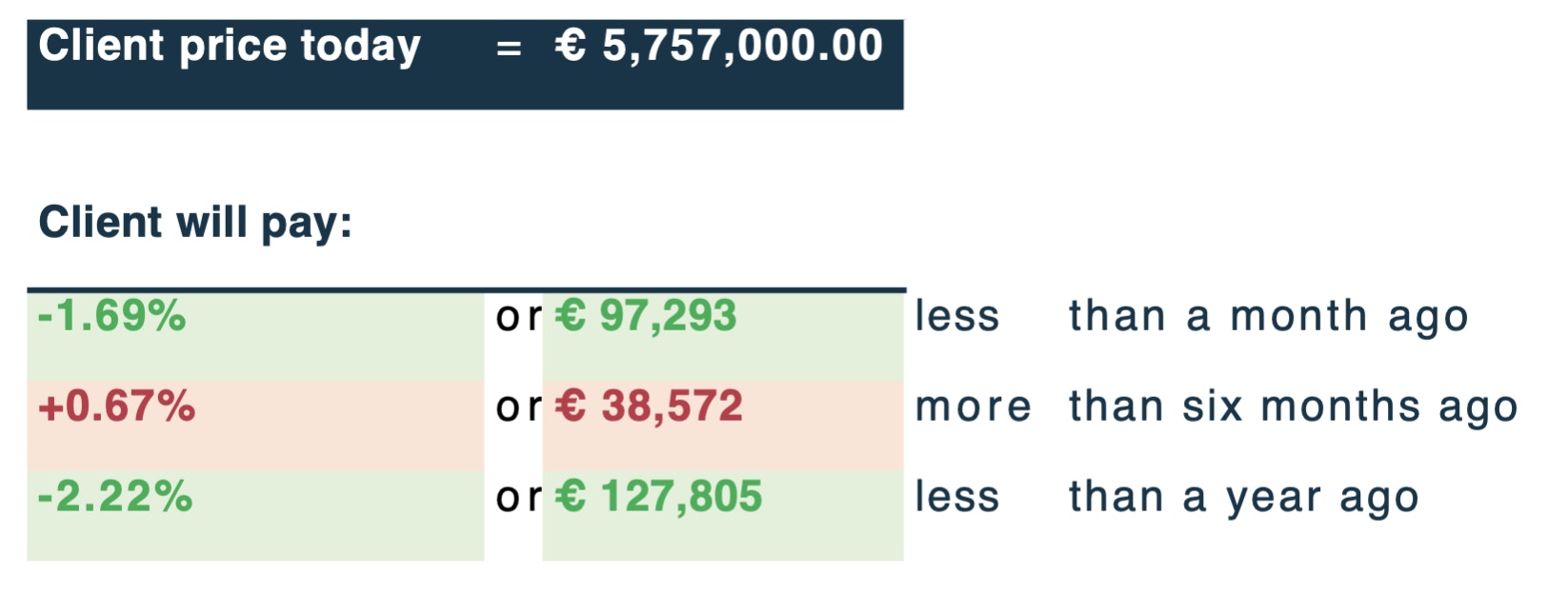
Market in numbers – UK property purchase at £5,000,000
European Investor
American Investor